Home › Gravel-to-Asphalt Conversions
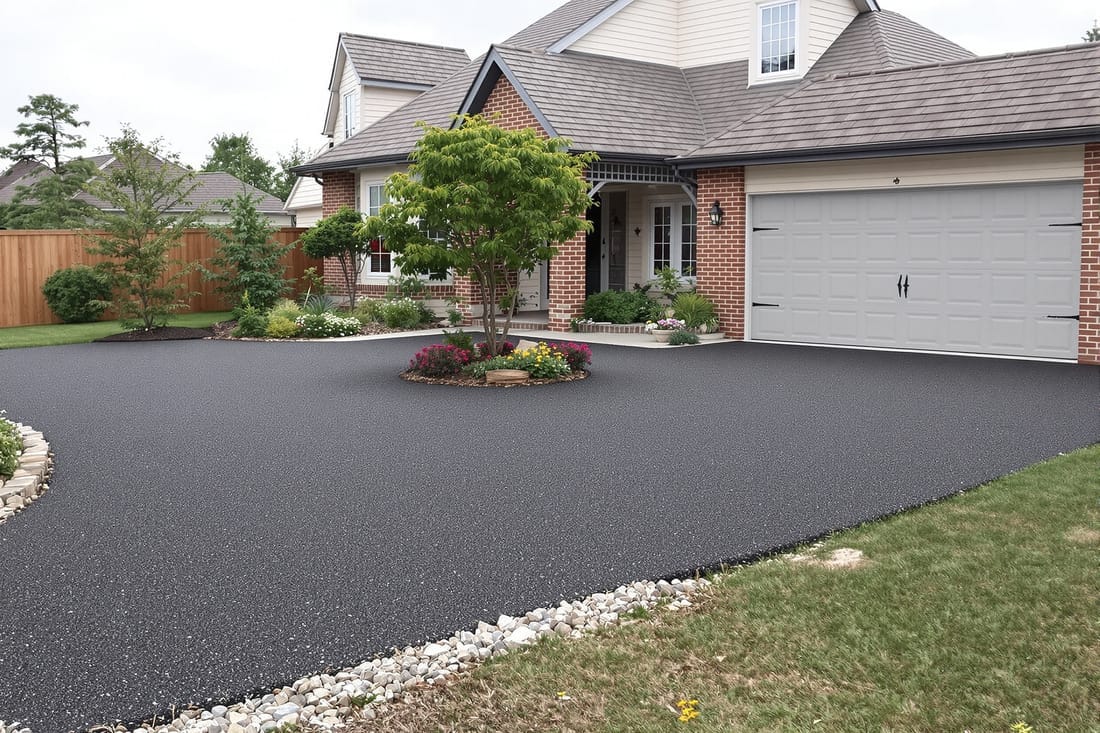
Tired of dust and ruts in your gravel drive. Our gravel to asphalt driveway conversions in Lexington, KY turn loose stone surfaces into smooth, low maintenance blacktop. We correct drainage, compact the base, and install quality asphalt so your vehicles track less dirt and your property gains curb appeal.
Precision Asphalt Lexington provides professional gravel to asphalt driveway throughout Lexington, KY, Kentucky and the surrounding area. Our licensed, insured crew delivers safe, clean, on-time work with a free estimate before anything begins. Call (859) 710-8754 or request your free quote.
Turn Your Gravel Driveway Into a Smooth Asphalt Surface
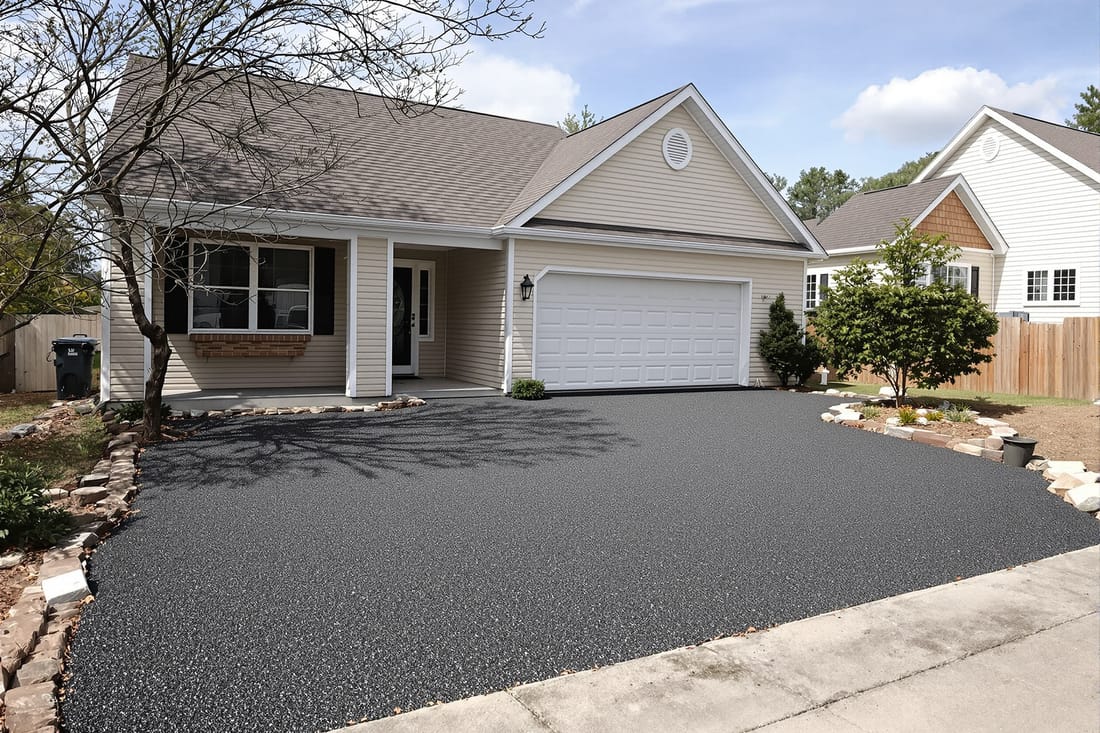
If you are tired of ruts, dust, and loose stone, a gravel to asphalt driveway conversion can be one of the most noticeable upgrades you make to your property. Precision Asphalt Lexington specializes in turning existing gravel driveways in Lexington, KY into durable, smooth asphalt that holds up to Central Kentucky traffic and weather.
Unlike a simple resurfacing, a gravel-to-asphalt conversion starts with evaluating what you already have. We look at the thickness of your current gravel, how well it drains after a rain, and how the driveway has settled over time. That inspection tells us whether we can work with the existing stone base or if sections need to be rebuilt before we ever bring in hot mix asphalt.
We focus on residential and small commercial driveways across Lexington and nearby communities, from older horse farm lanes that have been gravel for decades to tight suburban driveways that track mud into the garage. Our crews live and work here, so we design conversions that make sense for local clay soils, freeze-thaw cycles, and the way Lexington roads and subdivisions are laid out.
Step-by-Step: How a Gravel-to-Asphalt Conversion Really Works
A proper gravel to asphalt driveway project has several critical steps. Skipping any of them usually leads to potholes and cracking a year or two later.
1. Site assessment and layout. We start by walking the driveway with you, flagging the edges, noting soft spots, and checking where water currently runs. If water is draining toward a garage or house, we plan grade changes or drainage solutions before any paving happens.
2. Grading and base shaping. Using graders or skid steers, we reshape the existing gravel, cut down high spots, and fill low ones. In Lexington, we pay close attention to clay pockets that tend to hold moisture. These areas may be dug out and replaced with compactable stone.
3. Adding and compacting base stone. Depending on the condition of your existing gravel, we may add 2 to 4 inches of dense graded aggregate (DGA or road base). This is spread in lifts and compacted with vibratory rollers to create a tight, stable platform. A solid base is especially important in neighborhoods with delivery trucks and heavier traffic.
4. Edge preparation. For driveways that meet grass, landscaping, or farm entrances, we cut clean edges so the new asphalt has full thickness at the sides instead of thin feathered edges that crumble. Where asphalt meets a street or garage slab, we plan a smooth transition so you do not feel a bump every time you pull in.
5. Asphalt installation. We typically install a 2 to 3 inch compacted asphalt layer for residential driveways. For farm lanes or drives that see heavy equipment, we may recommend thicker asphalt or a two-course installation (a base layer and a finer surface layer) for extra longevity.
6. Final rolling and cleanup. Steel drum and pneumatic rollers compact the asphalt while it is still hot. We check for any birdbaths (small low spots that can collect water), correct them immediately, and leave the site clean, with clear guidance on when you can drive and park on the new surface.
Design Choices for Your New Asphalt Driveway
Even though a gravel-to-asphalt conversion is a practical project, there are design and performance options that matter. Precision Asphalt Lexington walks you through these choices instead of using a one-size-fits-all approach.
Thickness and structure. A lightly used suburban driveway can often perform well with 2 inches of compacted surface asphalt over a well prepared gravel base. A rural driveway that sees horse trailers, RVs, or delivery trucks may benefit from an additional asphalt base course or an upgraded stone base to spread loads and reduce rutting.
Width and layout. A gravel lane might be narrow and hard to navigate, especially in winter. When converting to asphalt, many Lexington homeowners choose to widen tight turns, add a small parking pad, or create a hammerhead turnaround so backing into the street is safer.
Edges and borders. You can leave the asphalt edge open to grass, or add concrete, brick, or stone borders. In older Lexington neighborhoods, a defined edge can help keep asphalt from cracking at the sides and gives a more finished look compared to the loose edges typical of gravel.
Surface texture and appearance. Standard residential asphalt has a fine aggregate for a smoother finish, which is easier to shovel or snow blow in winter. For sloped drives, we can adjust the mix and compaction to keep a bit more texture for traction while still providing a uniform, attractive surface.
How Lexington’s Weather and Soil Affect Your Gravel-to-Asphalt Project
Central Kentucky’s climate and soil conditions directly influence how we design and schedule a gravel to asphalt driveway conversion.
Freeze-thaw cycles. Lexington winters bring repeated freezing and thawing, which can push up weak spots in a driveway. To combat this, Precision Asphalt Lexington focuses on drainage and base stability. We slope driveways gently so water moves off the asphalt, and we make sure the base is well compacted so there are fewer voids where water can sit and freeze.
Clay-rich soils. Many Lexington properties have subgrade soils that are heavy with clay. Clay holds water and becomes soft when saturated. Before paving, we check for pumping or spongy areas when we run the roller over the prepared base. Soft zones may be undercut and replaced with stone to keep your new asphalt from settling and cracking.
Seasonal timing. We avoid major conversion work in the coldest stretches of winter because asphalt cools too fast to be compacted properly. In our area, the most reliable paving season typically runs from late March through early November, depending on temperatures. During cooler months, we adjust our schedule so asphalt arrives hot and is placed promptly, which is key to long-term performance.
Stormwater management. Lexington gets sudden downpours and strong summer storms. As part of the conversion, we look at where water currently stands on your gravel and redesign grades or add shallow swales or drains where feasible so water is guided around buildings and away from the driveway surface.
What Drives the Cost of a Gravel-to-Asphalt Driveway
Two gravel-to-asphalt conversions can look similar at first glance yet differ in price because of conditions under the surface. Precision Asphalt Lexington is upfront about what affects your investment so you can make informed decisions.
Base condition and improvements. If your existing gravel is deep, well compacted, and drains correctly, costs stay down because we can build on that base. If we find thin gravel, soft spots, or standing water, the project may require excavation, additional stone, or undercutting. These steps add cost but dramatically reduce the chance of premature failure.
Driveway size and shape. Long, straight rural drives often have a lower cost per foot than short, tight urban drives because our equipment can work more efficiently. Curves, steep slopes, and tight access points require more hand work and careful grading.
Thickness and mix selection. A heavier duty section with thicker asphalt and upgraded stone base costs more initially, but it can be a better value for properties that see frequent deliveries, heavy trailers, or work trucks. We explain the tradeoffs so you can choose between a standard residential build and a reinforced design.
Drainage and additional features. Regrading ditches, installing small culverts, adding French drains, or integrating concrete aprons at garages and road entrances will add to the total project cost. We itemize these options so you can prioritize what is most important now and what could be added later.
Common Problems With Conversions and How We Prevent Them
Gravel-to-asphalt conversions fail for predictable reasons. Our crews have seen what goes wrong when shortcuts are taken, and our process is built to avoid those issues.
Poor compaction of the existing gravel. If the old stone base is loose and not compacted, the new asphalt will flex and crack. We run vibratory rollers over the base and do multiple passes until we achieve a tight, uniform surface. Any areas that continue to shift are flagged for additional work before paving.
Trapped moisture. Lexington’s humidity and clay soils can hide moisture in the base. Paving over a wet base often leads to soft spots and early potholes. We avoid paving right after heavy rains and test suspect areas for pumping or visible water. If necessary, we delay paving or improve drainage instead of pushing a schedule at the expense of quality.
Incorrect slope. A gravel driveway can tolerate small depressions because water can pass through the stone. Asphalt cannot. Before we bring in asphalt, we check slopes with laser or string lines rather than eyeballing it. Any areas where water might pool are corrected with additional grading or leveling courses.
Thin edges and weak transitions. One of the first places a poorly built driveway fails is at the edges or where it meets the street or garage. We plan full-thickness asphalt at the perimeter and create proper joints with the existing pavement or concrete so you are not left with crumbly seams.
What to Expect When You Hire Precision Asphalt Lexington
From first visit to final roll, we keep the process straightforward so you know what is happening at each step of your gravel to asphalt driveway project.
Initial consultation. We meet on site, listen to how you use the driveway, discuss any drainage or mud problems you have now, measure the drive, and check the base condition. You receive a written proposal that outlines base work, asphalt thickness, and any optional features like widening or drainage upgrades.
Scheduling and preparation. Once you approve the plan, we schedule the work based on weather and material availability. We ask that vehicles, trailers, and portable basketball goals be moved before our equipment arrives. For rural drives, we talk through access so you are never completely blocked in.
Construction phase. Typical residential conversions take 1 to 3 days, depending on size and base repairs. The first part of the project is noisy and dusty as we regrade and compact the base, then the paving day is relatively quick. Our crew leader is on site to answer questions and walk the project with you when major steps are complete.
Aftercare and warranty. We explain how long to stay off the new asphalt, how to avoid sharp turning in one spot while the surface cures, and when to consider sealcoating in the future. Precision Asphalt Lexington stands behind our work with a workmanship warranty, and because we are local, you know who to call if questions come up after the job is finished.